

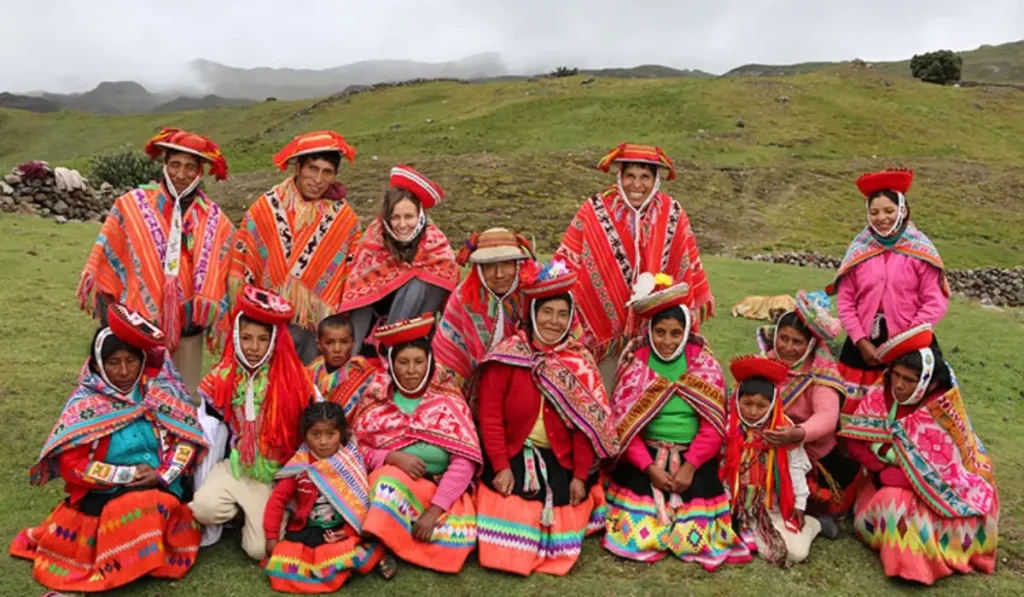
Peru is the kind of destination that stays with you long after your flight home. It is a country of dramatic contrasts: soaring Andean peaks, Amazon rainforest, Pacific coast sunsets, ancient archaeological wonders, and living communities that preserve traditions with remarkable pride. But beyond the iconic photos of Machu Picchu and colorful markets, Peru offers something even more meaningful: the chance to travel with purpose.
For travelers who want more than a checklist vacation, Peru opens the door to experiences rooted in learning, human connection, and positive contribution. Whether you want to volunteer in Peru, support local education initiatives, join environmental projects, or combine meaningful service with adventure, there are many ways to make your journey matter. This is where travel becomes richer, more memorable, and more transformative.
Purpose-driven travel is not about “saving” communities. It is about showing up respectfully, listening carefully, learning constantly, and contributing responsibly. The best volunteer work in Peru programs are built around local leadership, real community needs, cultural exchange, and long-term impact. When done thoughtfully, these experiences can benefit both travelers and host communities.
In this guide, you will learn how to plan a meaningful trip, choose the right type of project, avoid common mistakes, budget realistically, and build an itinerary that balances service, culture, and adventure. If you are looking into work and travel Peru options or considering Community service in Peru as part of a gap year, career break, university trip, or personal journey, this article will help you make informed and inspiring decisions.
Why Purpose-Driven Travel in Peru Is So Rewarding
Traveling with social impact in mind changes the way you experience a destination. Instead of staying on the surface, you engage with everyday realities, local knowledge, and community-driven solutions. In Peru, this can mean helping in schools, supporting sustainable farming, participating in conservation work, or joining women-led artisan cooperatives.
What makes Peru especially suited for social impact travel?
- Strong cultural identity: Peru’s Indigenous heritage, regional traditions, and multilingual communities create rich opportunities for respectful learning.
- Diverse project types: From education and healthcare support to wildlife rescue and environmental initiatives, there are many ways to contribute.
- Accessible adventure: You can combine volunteering with iconic travel experiences in Cusco, the Sacred Valley, Arequipa, Lima, Lake Titicaca, or the Amazon.
- Personal growth: Social impact travel often builds resilience, empathy, adaptability, and intercultural understanding.
- Responsible tourism potential: Thoughtful spending on local guides, homestays, and social enterprises can directly support communities.
If your goal is to volunteer in Peru in a way that feels ethical and fulfilling, the key is not to do more, but to do it better.
How to Volunteer in Peru Responsibly
Not all programs are equal. Some are genuinely community-led and effective, while others are poorly designed, expensive, or focused more on the volunteer than the local need. Before committing, ask careful questions.
What to Look for in Ethical Volunteer Programs
Choose organizations that can clearly explain:
- How the project was created
- Whether local communities requested the support
- What long-term goals the program has
- How volunteers fit into local systems without replacing local jobs
- How your fees are used
- What safety and training protocols exist
- Whether there is local leadership on the ground
Red Flags to Avoid
Be cautious if a program:
- Promises you can make a huge impact in just a few days
- Places untrained travelers in sensitive roles
- Offers orphanage volunteering without strong child protection standards
- Cannot explain where your money goes
- Uses communities mainly as a marketing image
- Focuses more on social media moments than measurable outcomes
Traveler Note
If you are choosing between two programs, always favor the one that speaks more about community partnerships than about volunteer heroism.
The most meaningful Community service in Peru usually supports local efforts already in progress. Your role should complement, not control.
Best Types of Volunteer Work in Peru
Peru offers a broad range of opportunities depending on your interests, skills, language level, and available time.
1. Education and Youth Support
This is one of the most common forms of volunteer work in Peru. Travelers may assist with English conversation practice, after-school programs, creative workshops, sports, or reading support.
Best for:
- Students
- Gap year travelers
- Future teachers
- Spanish learners with patience and flexibility
Important note: You should not expect to become the lead teacher unless you are properly qualified and the role is structured responsibly.
2. Environmental and Conservation Projects
Peru’s ecosystems are incredibly diverse. Programs may involve reforestation, river cleanups, sustainable agriculture, wildlife rehabilitation support, or environmental education.
Best for:
- Nature lovers
- Sustainability-focused travelers
- Volunteers comfortable with outdoor conditions
3. Public Health and Community Wellbeing
Some programs support health outreach, nutrition education, sanitation initiatives, or administrative help in clinics. These should be approached carefully.
Best for:
- Qualified professionals
- Medical students in supervised roles
- Public health learners
4. Women’s Empowerment and Artisan Cooperatives
In some regions, travelers can support social enterprises, fair-trade workshops, or women-led community businesses through marketing help, language exchange, and tourism development.
Best for:
- Travelers with business, design, communication, or digital skills
- Visitors interested in ethical shopping and social entrepreneurship
5. Rural Development and Agriculture
These experiences often involve sustainable farming, food systems, community gardens, or eco-lodge partnerships.
Best for:
- Hands-on travelers
- People interested in food, land stewardship, and rural life
- Those seeking deeper cultural immersion
Table: Comparing Social Impact Experiences in Peru
| Experience Type | Difficulty Level | Emotional Reward | Physical Demand | Ideal Stay Length | Best For |
|---|---|---|---|---|---|
| Education Support | Medium | High | Low to Medium | 2–8 weeks | Students, gap year travelers |
| Conservation Projects | Medium to High | High | Medium to High | 1–6 weeks | Nature lovers, active travelers |
| Community Health Support | High | High | Medium | 2–12 weeks | Qualified or supervised volunteers |
| Artisan & Women’s Cooperatives | Low to Medium | Medium to High | Low | 1–4 weeks | Creative and business-minded travelers |
| Sustainable Agriculture | Medium | High | High | 1–8 weeks | Hands-on, rural immersion seekers |
This table can help you assess which type of work and travel Peru experience best matches your energy, goals, and skill set.
Work and Travel Peru: How to Combine Service and Adventure
A meaningful trip does not have to exclude famous highlights. In fact, many travelers find that purpose-driven experiences make Peru’s iconic destinations feel even more profound. After spending time with local communities, trekking to ancient ruins or sharing meals in family-run homes can carry deeper context.
Here are smart ways to combine work and travel Peru effectively:
Balance Your Schedule
Try this structure:
- 60% social impact activity
- 40% cultural and leisure travel
This helps prevent burnout while giving you enough time to process and enjoy your surroundings.
Build Travel Around Regions
Instead of rushing across the entire country, focus on one or two regions. For example:
- Cusco + Sacred Valley for education, homestays, and heritage
- Lima + nearby coast for urban projects and food culture
- Amazon region for conservation and biodiversity
- Puno + Lake Titicaca for community-based tourism and cultural immersion
- Arequipa + Colca area for rural development and trekking
Plan for Acclimatization
Many parts of Peru are at high altitude. If you arrive in Cusco and jump immediately into trekking or active fieldwork, you may feel exhausted. Give yourself 1–2 days to rest and hydrate.
Practical Tip Box
Altitude matters.
If your project is in Cusco, Puno, or another high-altitude area:
- Drink more water than usual
- Avoid heavy meals on day one
- Sleep well before active volunteering
- Reduce alcohol at the beginning of your trip
Top Destinations for Community Service in Peru
Cusco and the Sacred Valley
This region is ideal for travelers who want both cultural depth and access to famous attractions. Community initiatives often focus on education, women’s cooperatives, youth activities, and rural development.
Why it stands out:
- Strong cultural heritage
- Easy to combine with Machu Picchu
- Great for homestays and language learning
Lima
Peru’s capital is often overlooked by first-time visitors, yet it is one of the most dynamic places for urban social impact programs. Here, you may find projects related to education, food security, youth mentorship, and social entrepreneurship.
Why it stands out:
- International flight access
- Gastronomy and arts scene
- Urban perspective on Peru’s social realities
The Amazon
For environmental travelers, the Peruvian Amazon offers some of the most memorable volunteer work in Peru. Conservation, biodiversity education, and ecological research support are common areas.
Why it stands out:
- Immersive natural setting
- Strong sustainability focus
- Excellent for travelers seeking meaningful adventure
Lake Titicaca and Puno
This region is deeply rooted in Indigenous traditions and community-based tourism. Some programs support artisan groups, cultural education, and rural livelihood initiatives.
Why it stands out:
- Rich living culture
- Scenic beauty
- Slower, more reflective travel style
Arequipa and the Colca Region
These areas can offer a balance of city access, mountain landscapes, and community projects. They are appealing for travelers who want meaningful work and scenic independence.
Budgeting for Volunteer Travel in Peru
The cost of purpose-driven travel varies significantly based on organization quality, included services, location, and duration. Lower price does not always mean better value, and high price does not always guarantee ethical standards.
Common Costs to Expect
- Program fee
- Accommodation
- Meals
- Airport transfer
- Orientation and training
- Local transport
- Insurance
- Personal travel before or after the project
- Spanish lessons, if needed
Table: Budget Range vs. Typical Service Level
| Budget Level | Approx. Weekly Cost | Typical Inclusions | Service Level | Best For |
|---|---|---|---|---|
| Budget | 150–300 | Basic lodging, limited meals, minimal support | Low to Basic | Independent travelers with experience |
| Mid-Range | 300–700 | Accommodation, some meals, orientation, local coordination | Moderate to Good | Most first-time volunteers |
| Premium | $700+ | Private or upgraded lodging, airport support, intensive coordination, added excursions | Good to High | Travelers prioritizing comfort and structure |
A smart traveler does not just ask, “How much does it cost?” but also:
- Who benefits from this payment?
- Are local staff paid fairly?
- Does the program invest in long-term impact?
- What safety and support are included?
Traveler Note
The cheapest option may become the most expensive if poor logistics, weak communication, or bad placement ruin your time on the ground.
How to Prepare Before You Volunteer in Peru
Preparation shapes the quality of your experience more than most people realize. A respectful volunteer arrives ready to learn, not just ready to help.
Before You Go
Make sure you research:
- Peru’s cultural diversity
- Regional customs
- Basic Spanish phrases
- Local social issues relevant to your project
- The organization’s mission and impact reports
Pack with Purpose
Bring:
- Comfortable work clothes
- Layers for changing weather
- Respectful attire for community settings
- Refillable water bottle
- Notebook or journal
- Basic first-aid items
- Copies of your passport and insurance
- Power adapter and offline maps
Avoid overpacking gifts or supplies unless the organization specifically requests them. Unplanned donations can create dependency or inequity.
Skills That Matter Most
You do not always need technical expertise. Often, the most valuable skills are:
- Humility
- Reliability
- Patience
- Adaptability
- Active listening
- Cultural sensitivity
- Willingness to follow local leadership
If you want to volunteer in Peru, your attitude is often more important than your résumé.
Suggested Itineraries for Work and Travel Peru
Below are sample itineraries that combine social impact with memorable travel.
1. Two-Week Purpose Trip: Culture + Community in Cusco
- Arrive in Cusco and acclimatize for 2 days
- Join orientation and basic Spanish sessions
- Spend 5 days supporting youth or education activities in the Sacred Valley
- Enjoy a weekend cultural visit to Pisac and Ollantaytambo
- Take a guided trip to Machu Picchu
- End with a reflection day and local artisan shopping
Best for:
- First-time volunteers
- Short-term travelers
- Those wanting balance and iconic highlights
2. Three-Week Conservation Journey: Amazon + Lima
- Arrive in Lima and rest for 1–2 days
- Participate in urban social enterprise visits or community workshops
- Fly to the Amazon and begin environmental volunteer work
- Spend 10–12 days on conservation activities
- Return to Lima for food, museums, and reflection
- Depart with a stronger understanding of Peru’s environmental challenges
Best for:
- Sustainability-focused travelers
- Nature lovers
- People seeking immersive field experience
3. One-Month Deep Immersion: Community Service in Peru
- Spend the first week in Spanish classes and cultural orientation
- Complete two weeks in a community-based education or development project
- Use weekends for local travel and homestay activities
- Finish with one week visiting Lake Titicaca or Arequipa
- Document lessons learned and identify ways to stay engaged after returning home
Best for:
- Gap year participants
- Students
- Career-break travelers
Cultural Etiquette for Meaningful Travel in Peru
Respect is the foundation of good impact travel. Even well-intentioned travelers can unintentionally offend or oversimplify complex realities.
Keep These Principles in Mind
- Ask before taking photos of people
- Learn and use simple Spanish greetings
- Dress modestly in conservative or rural communities
- Be on time when possible
- Avoid making assumptions about poverty or “need”
- Listen more than you speak
- Do not compare constantly with your home country
- Support local businesses whenever possible
Responsible Spending Matters Too
Beyond formal volunteering, your travel choices shape impact. Consider:
- Staying in locally owned guesthouses
- Hiring certified local guides
- Eating in family-run restaurants
- Buying directly from artisans
- Choosing community-based tourism experiences
- Reducing plastic waste and overconsumption
This is an often overlooked part of Community service in Peru: your economic choices can also strengthen local resilience.
Practical Tip Box
Buy with intention.
If you purchase textiles, ceramics, or handmade goods:
- Ask who made them
- Prefer cooperatives or direct sellers
- Expect variation in handmade products
- Pay fairly instead of aggressively bargaining
The Real Benefits of Volunteer Work in Peru
Purpose-driven travel can be deeply enriching, but the benefits are strongest when expectations are realistic.
For Travelers
- Greater cultural understanding
- More meaningful memories
- Stronger sense of perspective
- New friendships and professional inspiration
- Improved language and communication skills
- Personal growth through discomfort and reflection
For Communities and Programs
When well-structured, volunteer involvement may help through:
- Extra support capacity
- Cultural exchange
- Skills sharing
- Increased visibility for local initiatives
- Economic support through ethical tourism spending
However, impact is not automatic. The quality of your contribution depends on the organization, the duration, your humility, and the project’s design.
Common Mistakes Travelers Make
Many travelers begin with good intentions but fall into avoidable patterns. Here are the most common mistakes:
- Choosing a program based only on Instagram appeal
- Underestimating language barriers
- Expecting immediate emotional rewards
- Thinking short-term presence always equals long-term impact
- Taking photos without consent
- Overcommitting physically or emotionally
- Failing to research child protection issues
- Treating local communities as “authentic experiences” instead of real partners
A better mindset is this: you are not the center of the story. You are a guest, learner, and temporary contributor.
How to Choose the Right Program for You
To find the best fit, ask yourself:
- What cause genuinely matters to me?
- How much time can I commit?
- Am I physically prepared for the environment?
- Do I speak enough Spanish, or am I willing to learn?
- Do I want urban, rural, or nature-based settings?
- Am I seeking structure or flexibility?
- What skills can I responsibly offer?
Then ask the organization:
- What are the community goals?
- What does a normal day look like?
- Who supervises volunteers?
- What happens if plans change?
- What is the expected code of conduct?
- What measurable outcomes has the project achieved?
If the answers are vague, keep looking.
Travel Peru With Purpose and Return Home Changed
Some trips entertain you. Others stay with you because they ask something more of you. Peru can do both. It can give you awe through landscapes and history, and it can also challenge you to travel more consciously, spend more responsibly, and connect more honestly.
If you choose to volunteer in Peru, do it with care. If you pursue volunteer work in Peru, choose programs that respect local leadership. If you are interested in work and travel Peru, build an itinerary that allows for contribution and reflection. And if your goal is true Community service in Peru, remember that service begins with humility.
The most impactful journeys are not measured by how busy you were or how many photos you took. They are measured by what you learned, how respectfully you participated, and whether your presence aligned with community priorities.
Peru offers a rare opportunity: not just to see a remarkable country, but to engage with it in a way that feels thoughtful, grounded, and genuinely worthwhile. Go with open eyes. Go with curiosity. Go ready to listen. That is where purposeful travel begins.
Final Call to Action
If you are planning your next meaningful adventure, let Peru be more than a destination on your map. Let it become a place where your travel supports local communities, deepens your worldview, and creates stories worth carrying for life. Start researching ethical programs, define the kind of impact you want to support, and design a trip that blends service, culture, and responsibility. The right journey will not only change how you see Peru. It may change how you see travel itself.
Frequently Asked Questions
1. Is it safe to volunteer in Peru?
Yes, many parts of Peru are safe for travelers when you use common sense, choose reputable organizations, and follow local advice. Safety varies by region, so always check current travel guidance and ask your program about accommodations, transport, and emergency support.
2. Do I need to speak Spanish to do volunteer work in Peru?
Not always, but basic Spanish is very helpful. In education, community, and rural placements, language skills can significantly improve your experience and relationships. Even simple phrases show respect and effort.
3. How long should I stay for a meaningful social impact trip?
A stay of at least two weeks is often more useful than just a few days, especially for community-based work. Longer stays generally allow better orientation, stronger trust, and more realistic contribution.
4. What is the best region for community service in Peru?
It depends on your goals. Cusco and the Sacred Valley are ideal for cultural immersion and education projects, Lima for urban social initiatives, and the Amazon for conservation and environmental work.
5. Are volunteer programs in Peru expensive?
Costs vary widely. Budget options may start around $150 per week, while more structured or premium programs can cost much more. Always compare what is included and how funds are used.
6. Can I combine Machu Picchu with volunteer travel?
Absolutely. Many travelers combine social impact programs in Cusco or the Sacred Valley with a visit to Machu Picchu. This is one of the best ways to blend service and iconic travel.
7. How can I make sure my volunteering actually helps?
Choose community-led organizations, ask detailed questions about impact, avoid programs with unrealistic promises, and approach the experience with humility. Ethical volunteering supports local priorities rather than replacing local expertise.